During the contextualising phase of Unit 2, my project shifted from exploring how sound could be represented graphically toward investigating how sound shapes movement, perception, and experience within space.
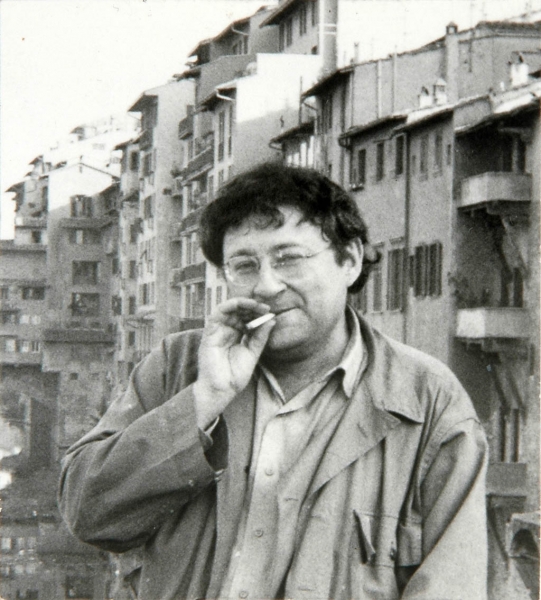
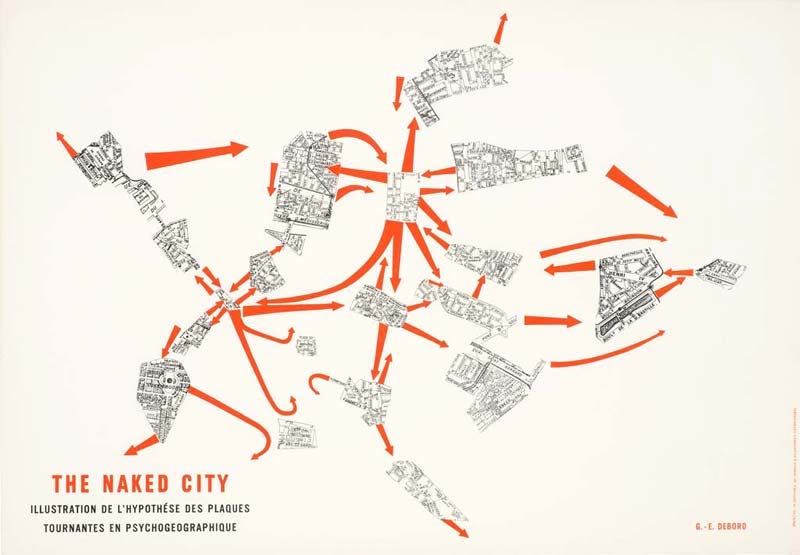
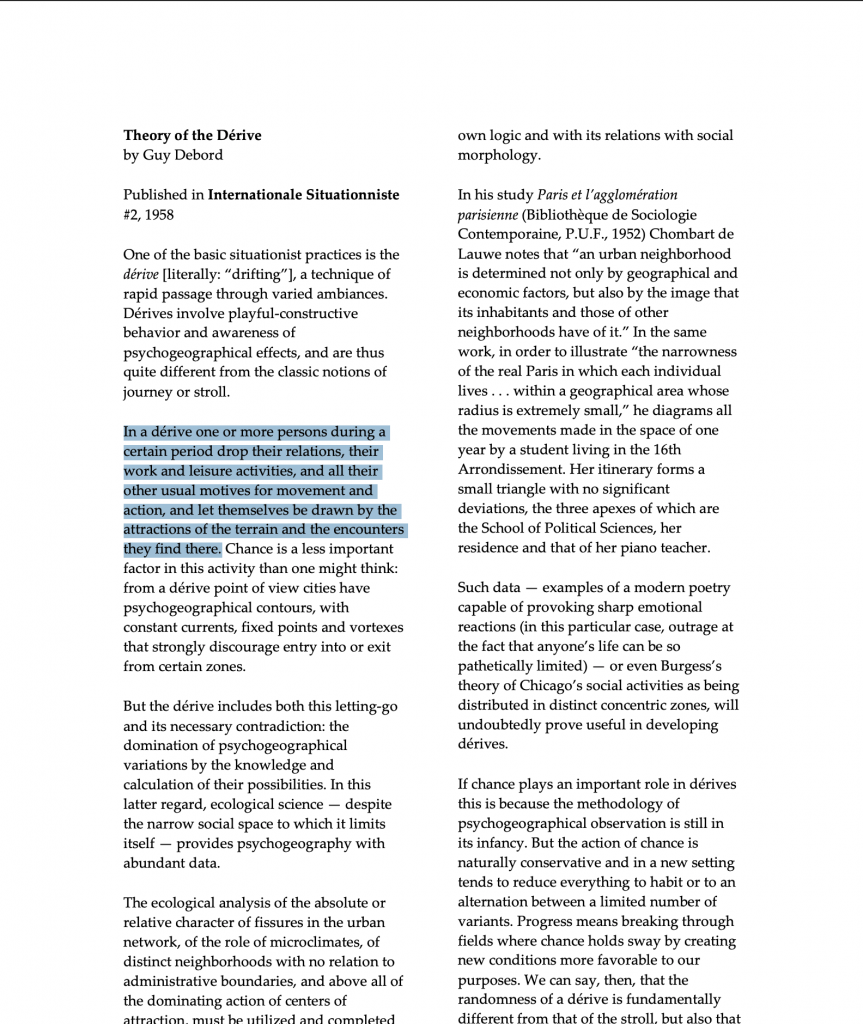
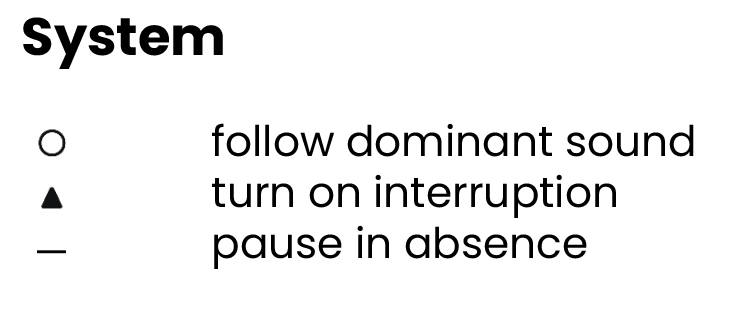
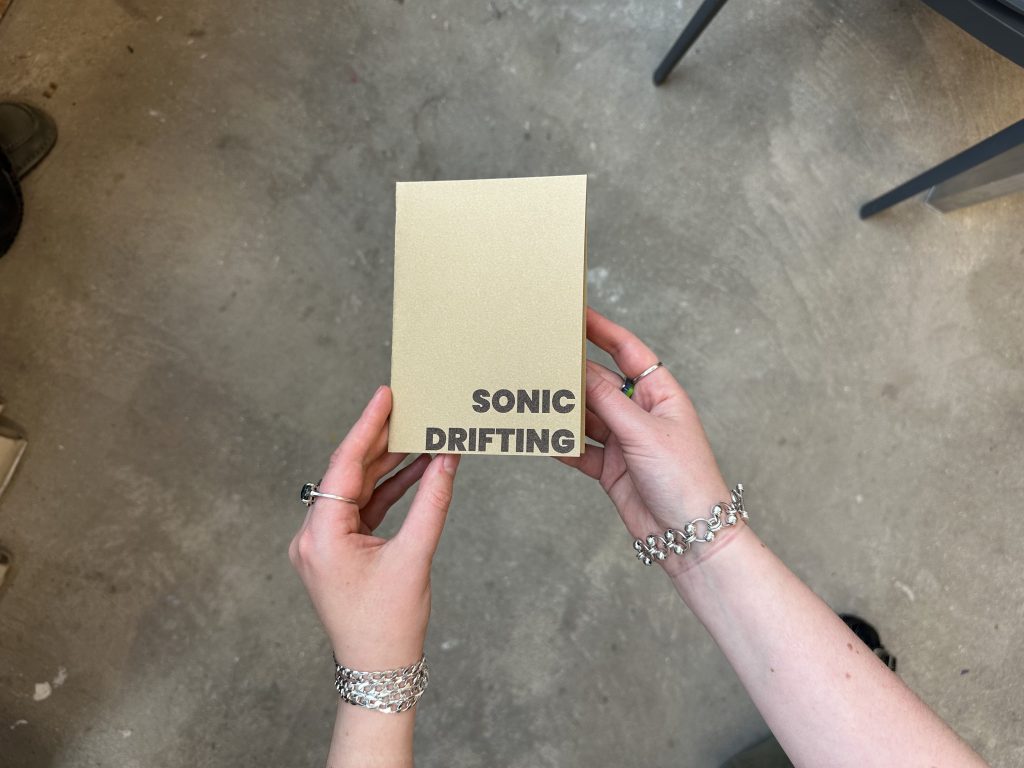
This development began with Guy Debord’s Theory of the Dérive. Debord’s concept of drifting proposed moving through the city according to atmosphere and encounter rather than predetermined destinations. Interested in translating this idea into a sonic context, I developed a set of instructions for a “sonic drift”, where movement was guided by dominant and interruptive sounds rather than visual navigation.
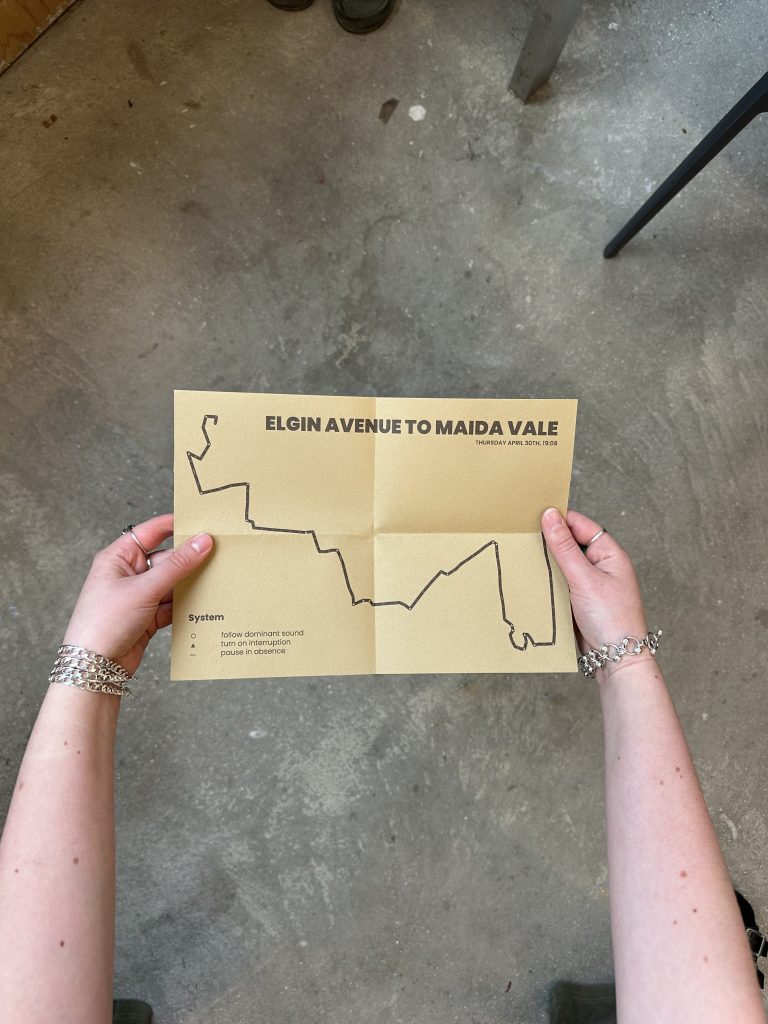
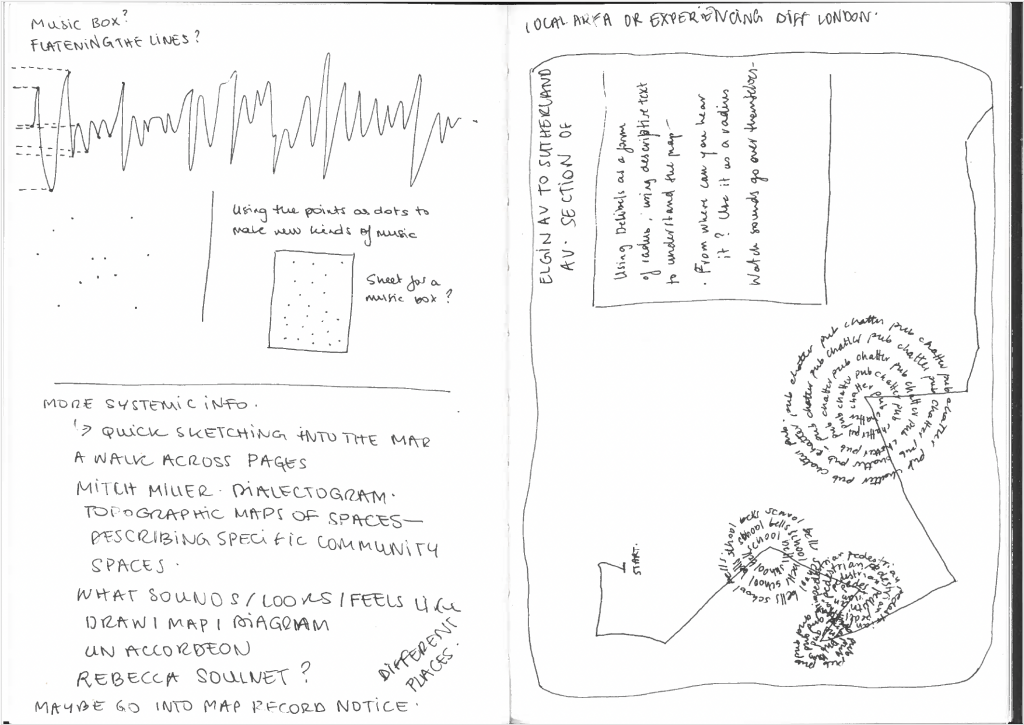
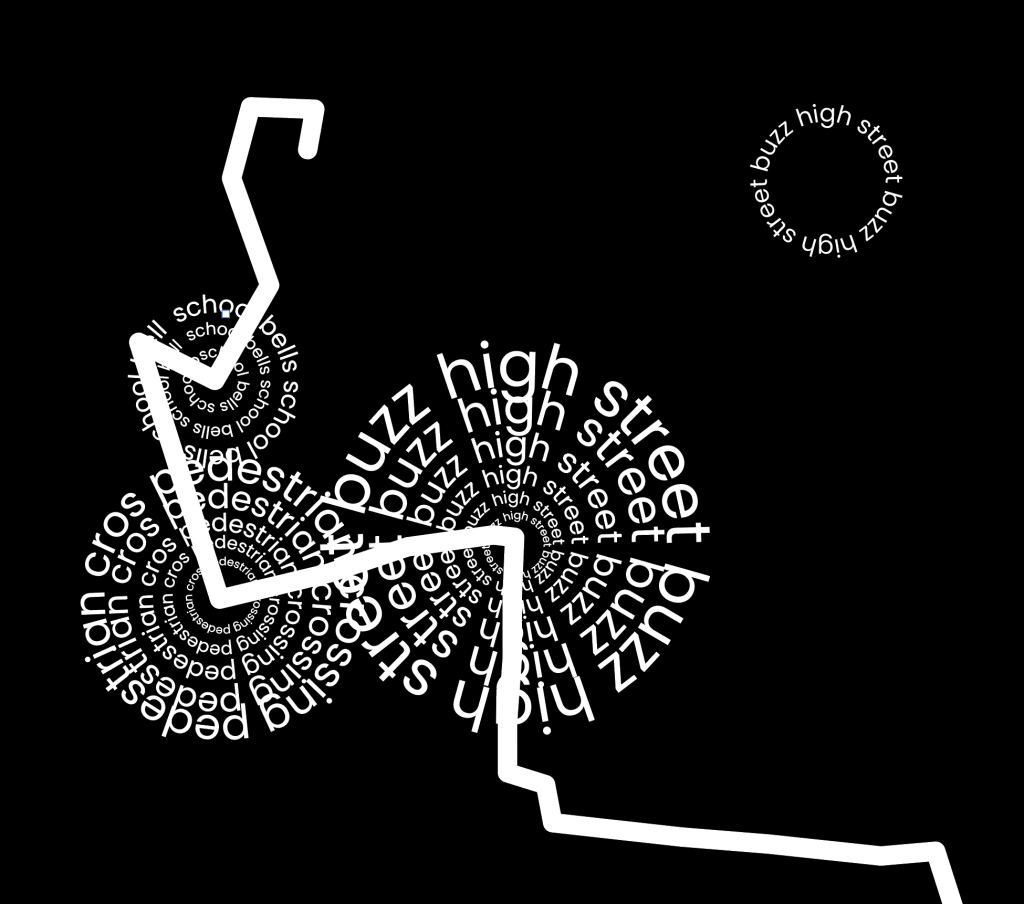
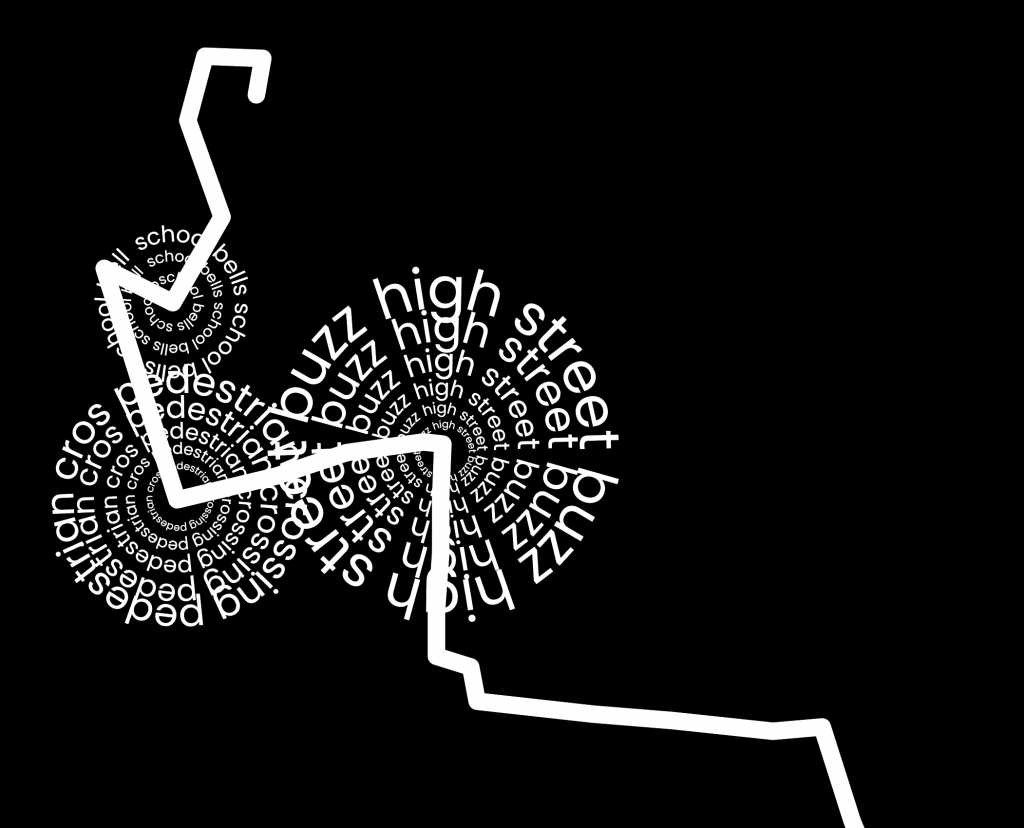
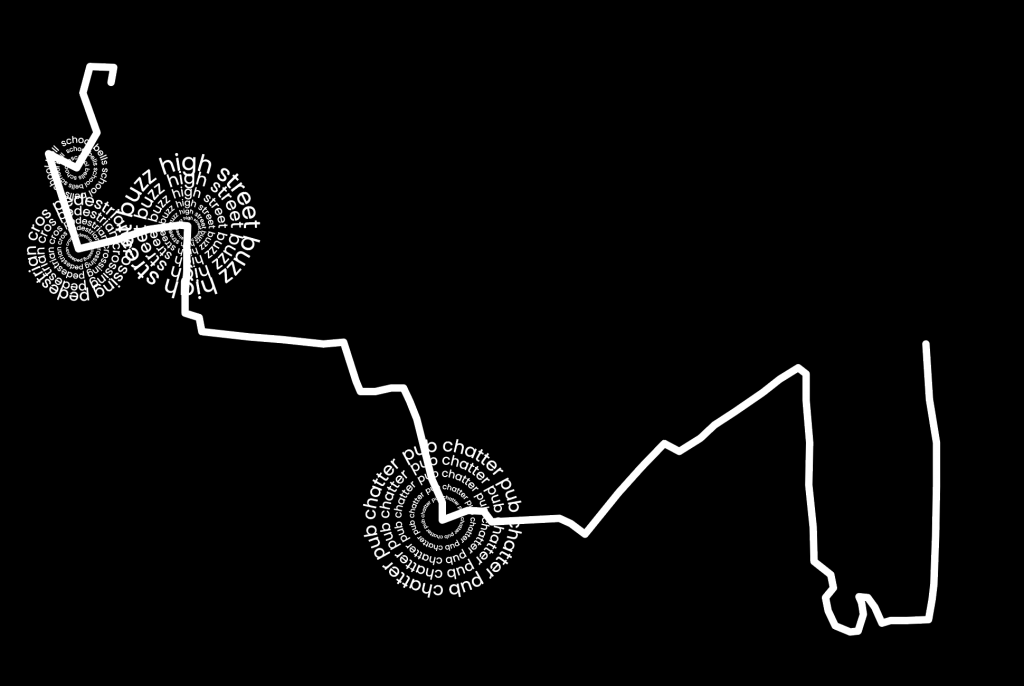
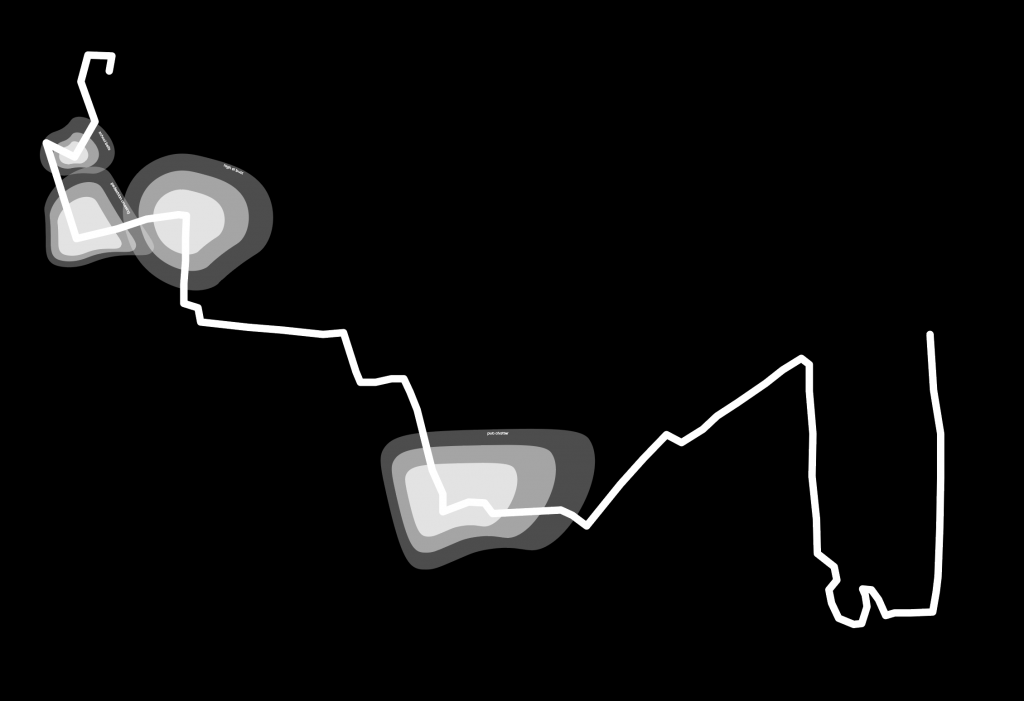
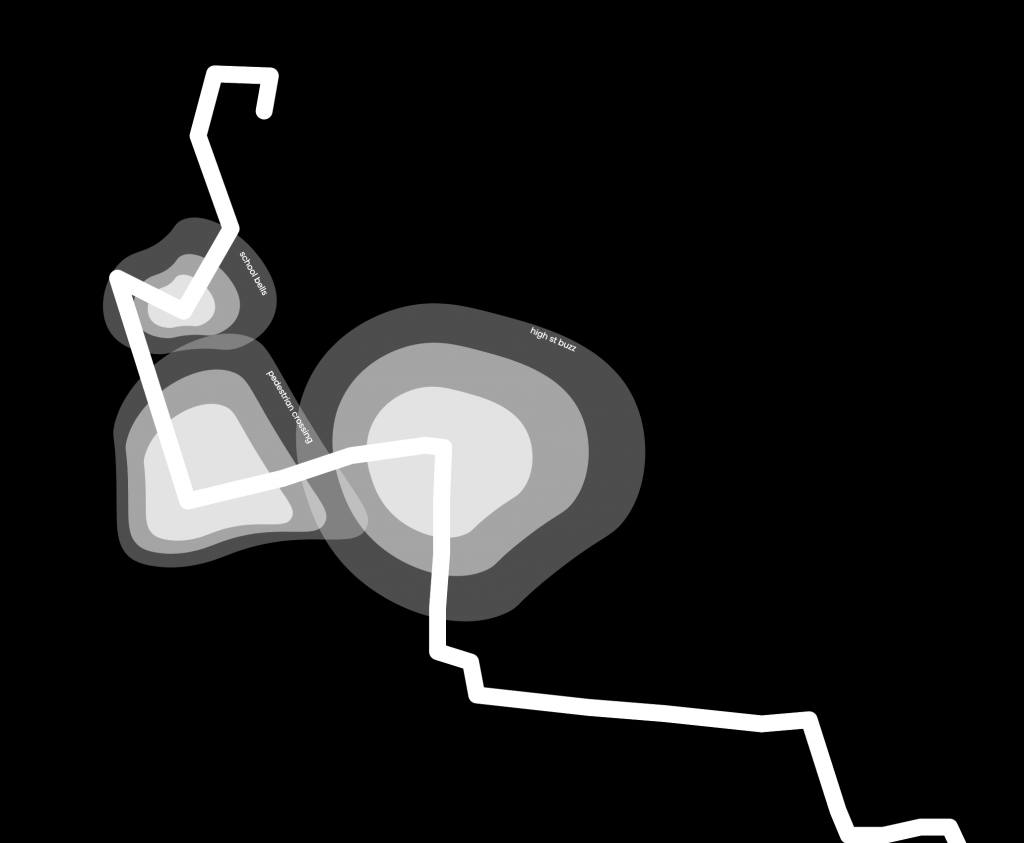
Using these rules, I undertook a series of sound-led walks through North West London. GPS tracking recorded my routes while I simultaneously documented the sounds encountered along the way. Initially, I was interested in the resulting traces as visual records of movement. However, through testing and critique, I realised that the routes alone revealed very little about the soundscapes that had generated them.
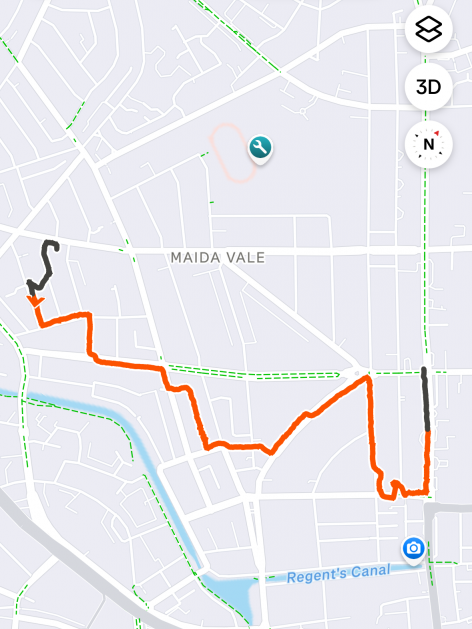
(insert other steps)
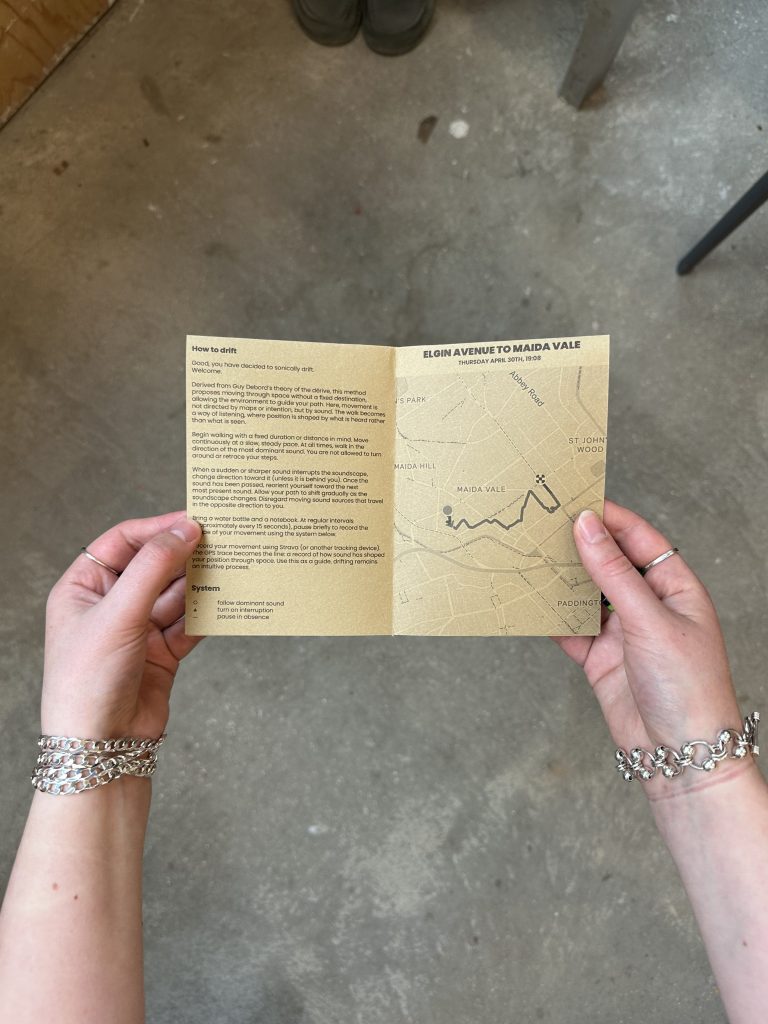
(screen recording detail)
Moving on;
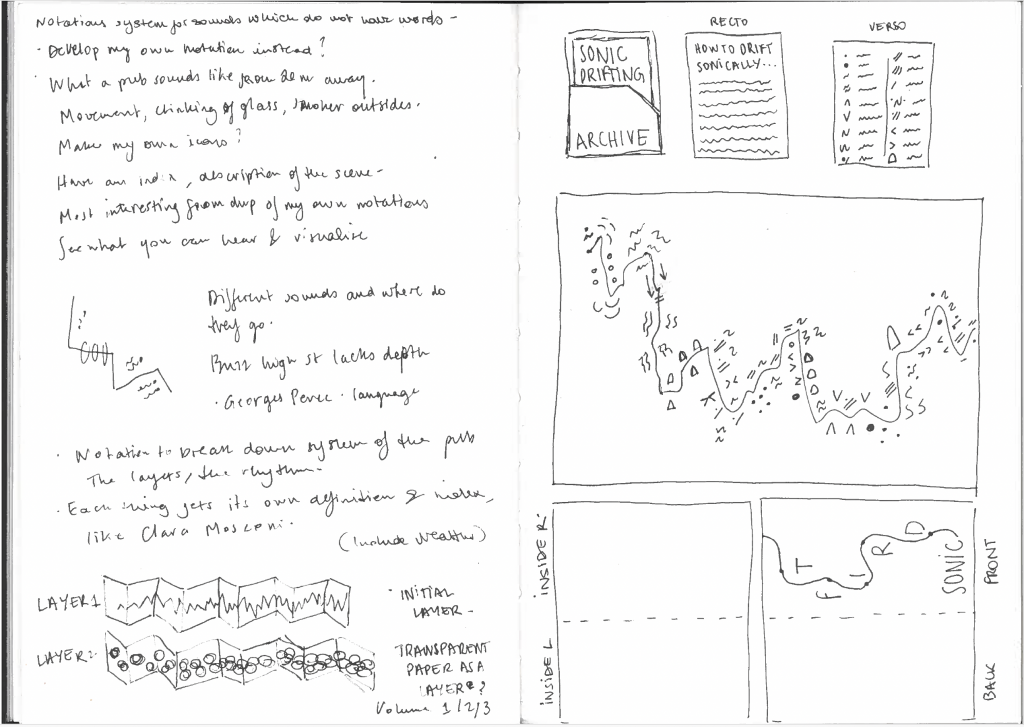
This became a key turning point within the project. Rather than focusing on movement itself, I became increasingly interested in how the soundscape could be mapped and archived. References such as Rebecca Solnit’s Infinite City and Clara Mosconi’s Paralingual Index (see WR) helped me rethink mapping as a tool for holding subjective knowledge and notation as a method for indexing sensory experience.
(include steps here)
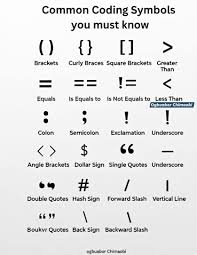
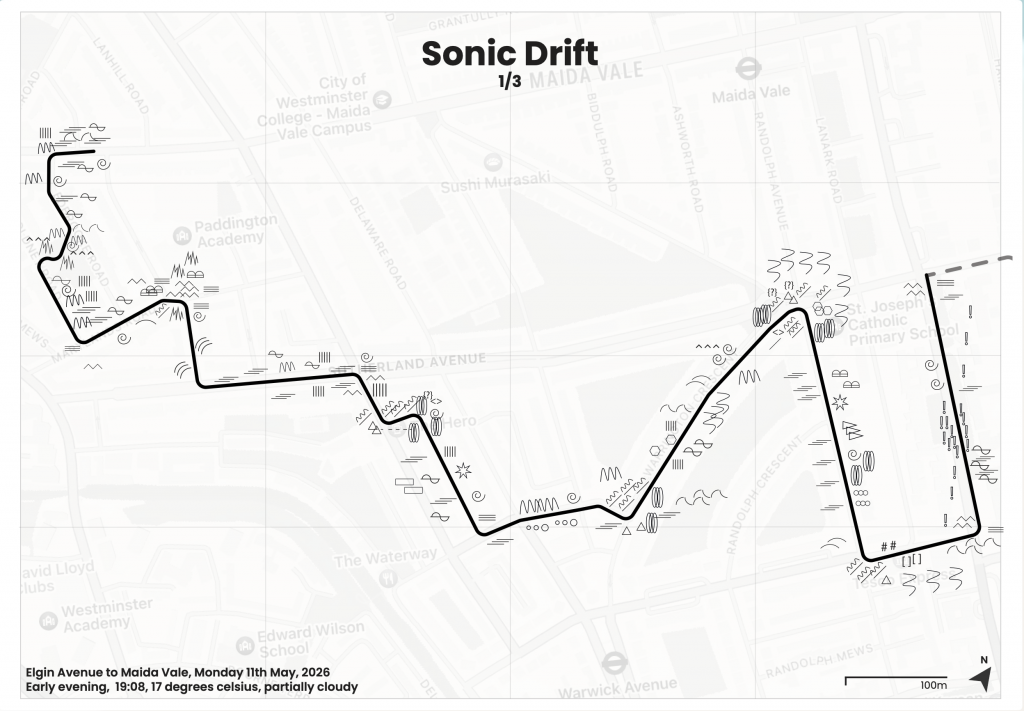
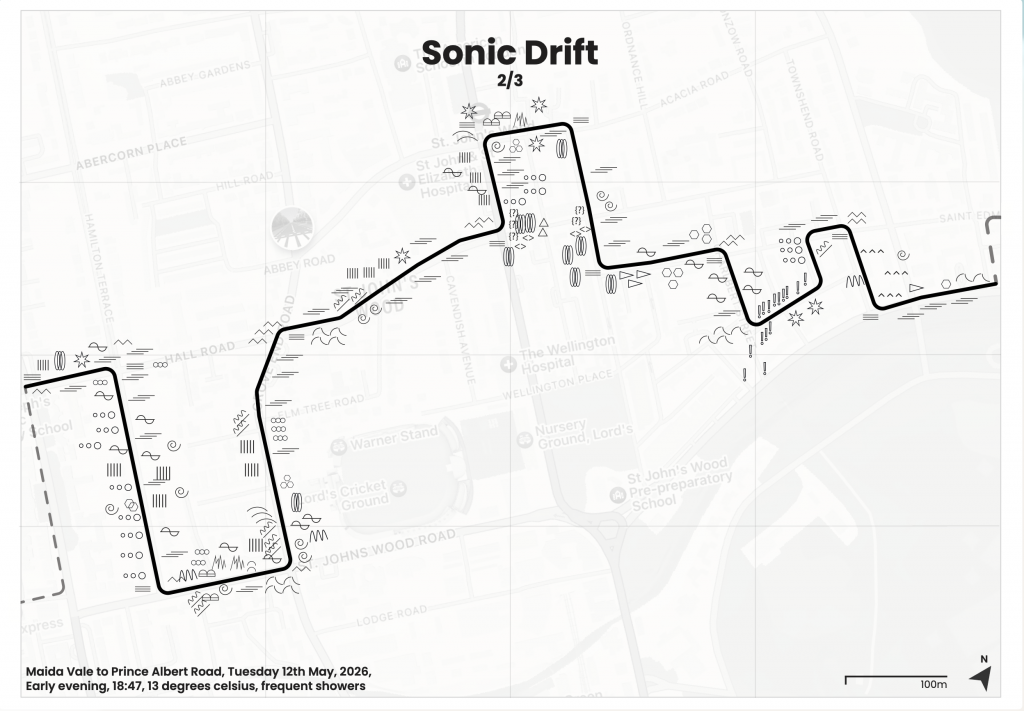
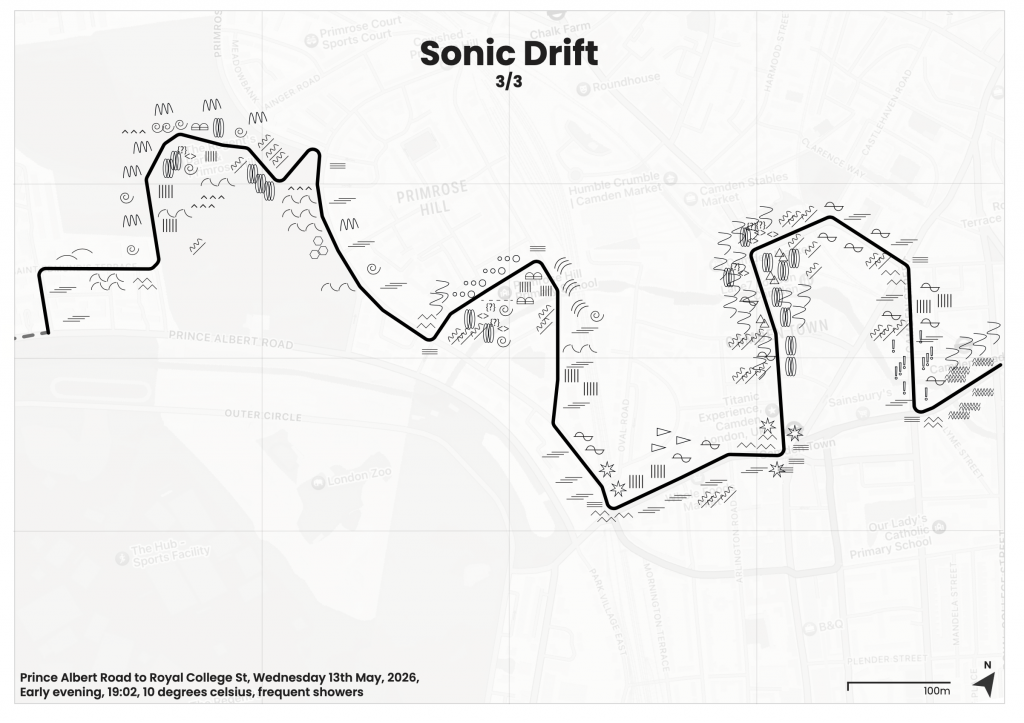
I made the graphic notation in reference to computer languages, specifically html, echoing to a very clear system.
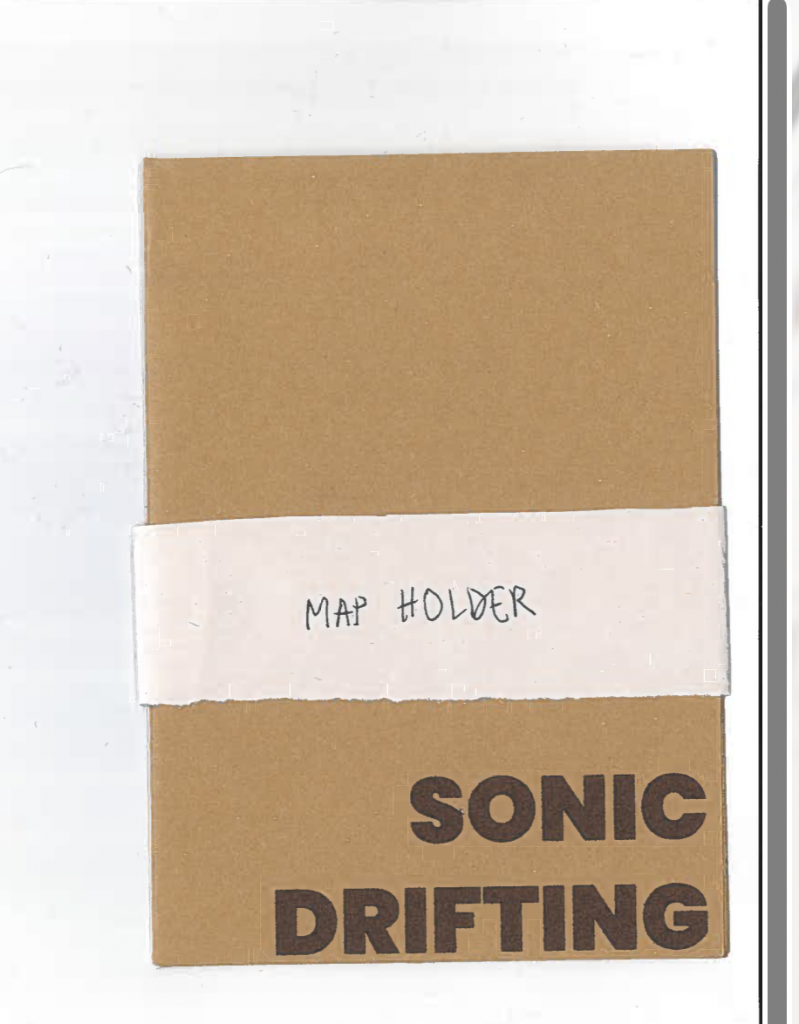
The final outcome took the form of three maps generated through separate sonic drifts. Together, they create an archive of auditory perception, combining GPS traces with a notation system that records the sounds encountered throughout each walk. Rather than functioning as conventional maps, the works attempt to communicate the sonic identity of a place at a particular moment in time.
Leave a Reply