
From week 1’s conversations…
From last week’s discussions, four questions carried into this week and shaped the direction of my work:
- What are the repercussions of language on narrative authority? (yes this question again, but it’s a bit one)
- How many of these murders are femicides?
- Can organising them by crime type reveal underlying patterns?
- What role does language play in shaping perceptions of women, legally and socially?
Method; selecting and classifying
I began by selecting ten broadsides at random from the same collection I had previously explored. To avoid repetition, I removed any duplicates that told the same story. The remaining examples were grouped into three working categories:
- Femicides
- Infanticides / pedicides
- Man-on-man murder (apparently Menicide is not a thing)
Out of the ten, eight depicted femicides, one involved pedicide, and one was a man-on-man murder. In all cases, the perpetrators were men, and the majority of victims were women. The imbalance was immediate and difficult to ignore.
This classification stage was important because it grounded my project in observation through process-led “research” rather than assumption.
Contextualisation:
- What are the crime rate statistics of late 18th century / early 19th century England ?
- The percentage of recorded crime was ciritcally low compared to its actual occurence.
- This is partly due the periods of Industrial and Agricultural revolutions (lack of police).
- The period between 1810 and 1820 saw the most dramatic rise in crime. This was a time of rising food prices, poverty and unemployment after the end of a series of wars with France.
- Most convictions were committed by men.
- What are the legislations regarding crime ?
- Homicide was not a common crime in the late 18th century but it grew in popularity as the new century began. Broadsides had that effect, people attended public executions.
- English homicide law was governed by the “Bloody Code,” which enforced capital punishment for a vast number of crimes.
- The convictions at the Old Bailey were overwhelmingly male, and still are today.
- What are modern statistics with regards to homicide ?
- Males accounted for approximately 93% of convicted murder suspects in the year ending March 2022 (England and Wales only).
- With regards to general crime, over 80%, is committed by men.
- Most proceedings took place at the Old Bailey, where is that?
- Central Criminal Court ! EC4M 7EH
- Access to the online database of historic proceedings.
Re-framing Through Colour and Narrative
This made me think of the Guerrilla Girls.
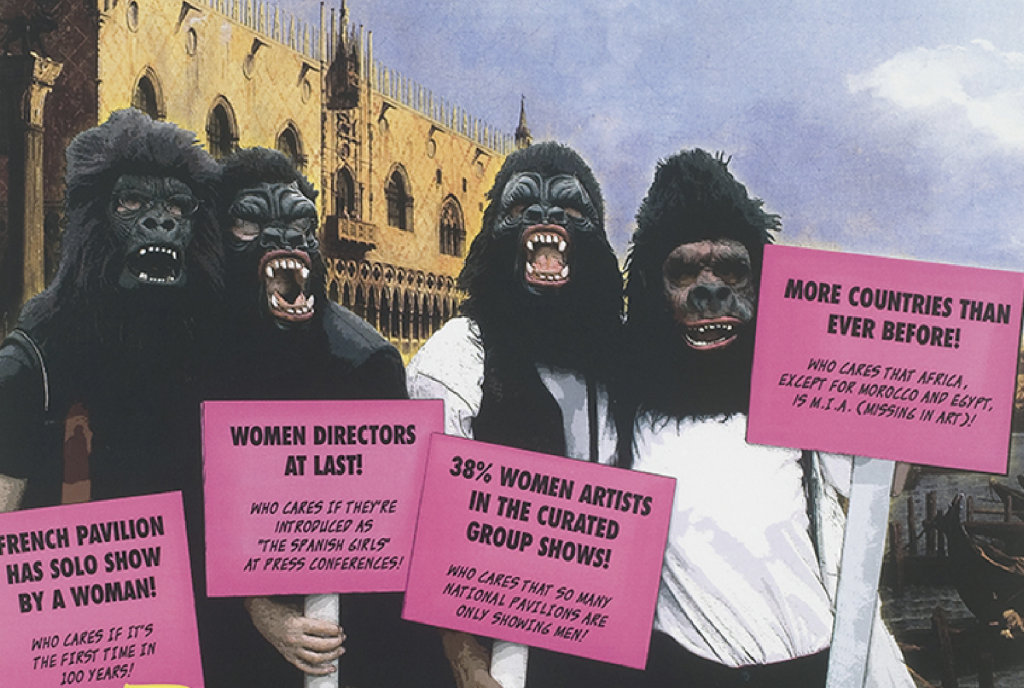
I therefore applied bold pink overlays to selected words and phrases, deliberately interrupting the original hierarchy. Rather than blending in, the colour competes with the historical typography, starting a patriarchal exploration of the collection.
In some cases, I isolated and repeated terms such as “Woman” and “Mrs.”, enlarging their presence so they rival the dominant headlines. In others, I replaced relational descriptions like “HIS WIFE” with the proper name Celia Holloway, shifting visibility back to the victim. I also highlighted words such as “miscarriage” and “dragged” to draw attention to how violence is narrated and distributed linguistically.
These interventions were selective rather than wholesale rewrites. Through emphasis, repetition, and strategic substitution, I redistributed narrative weight. The original broadsides centre male authority and spectacle; my edits redirect attention toward the women and the language used to frame them.
Below are a few examples…
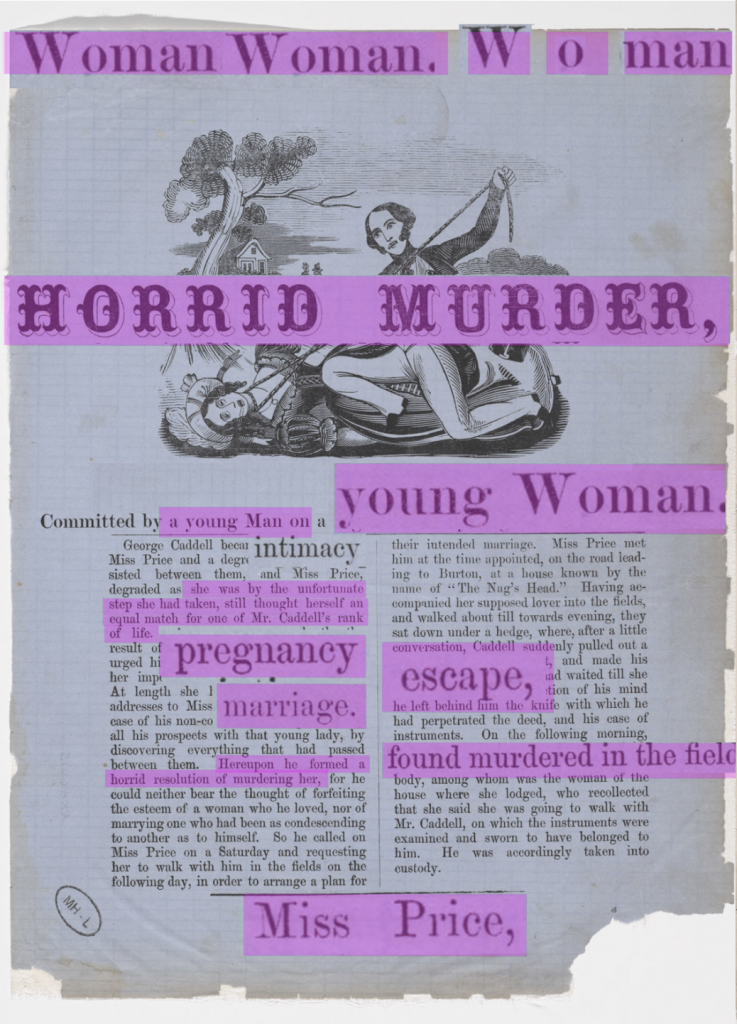
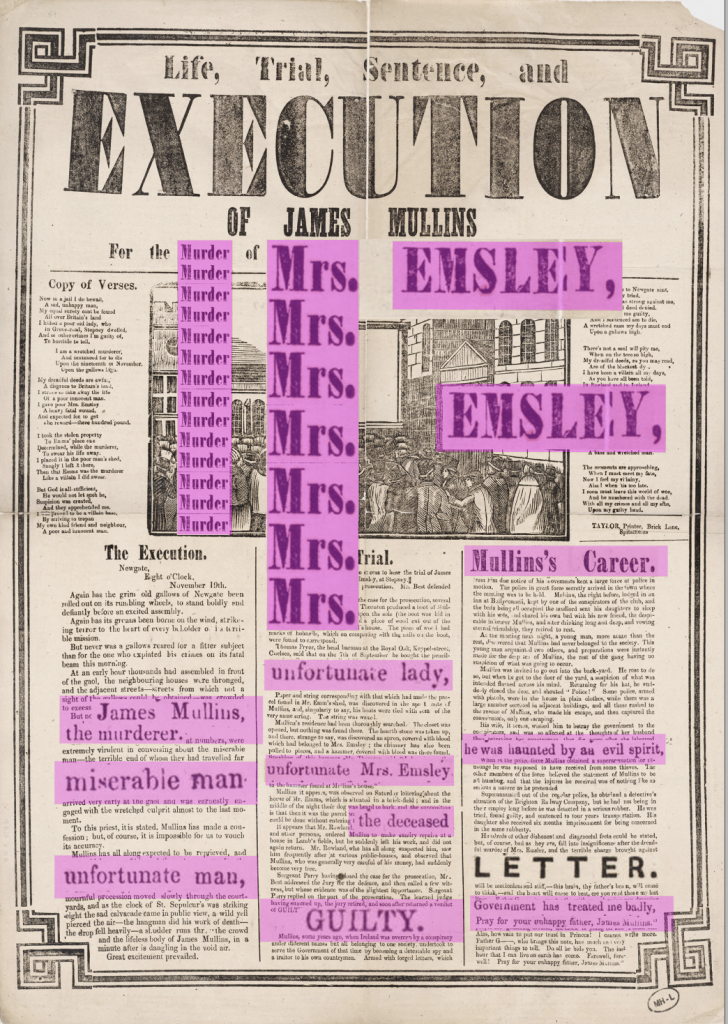
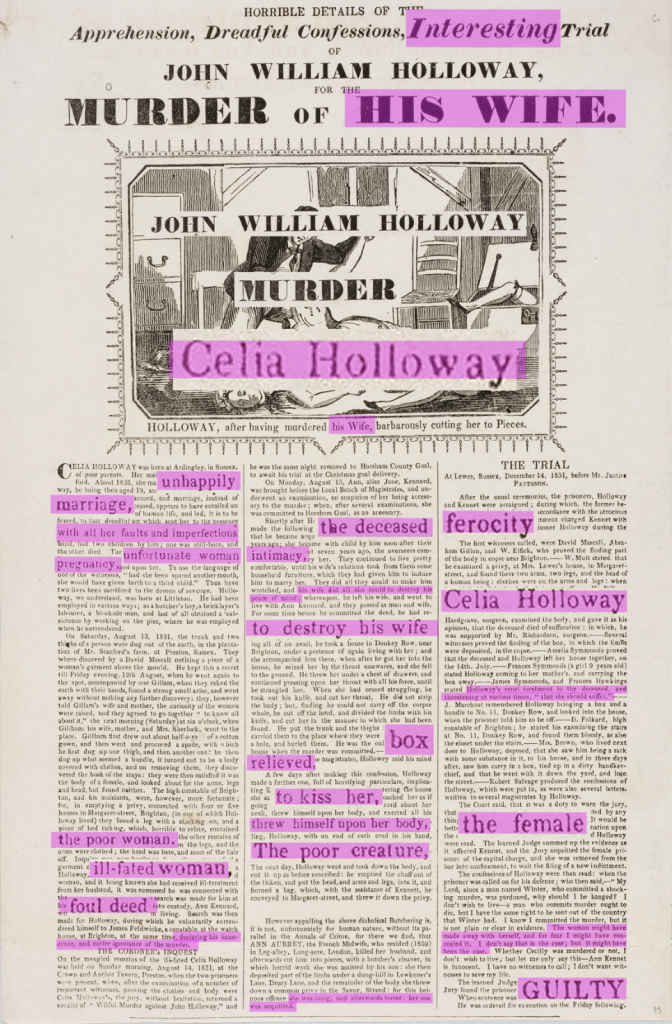
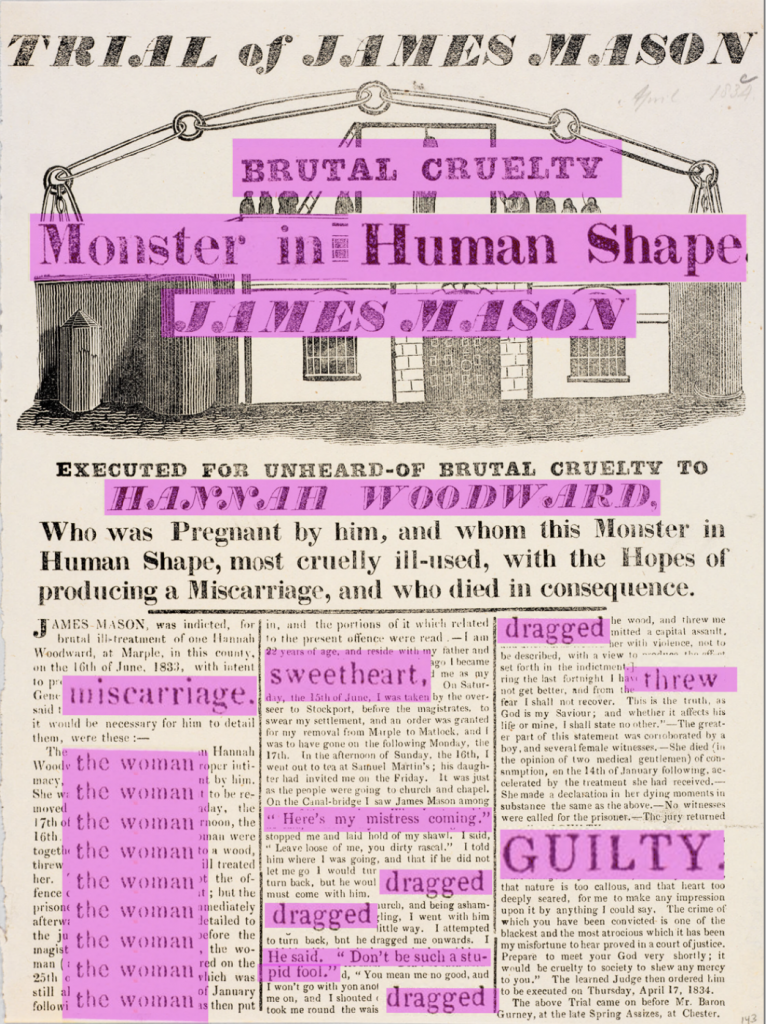
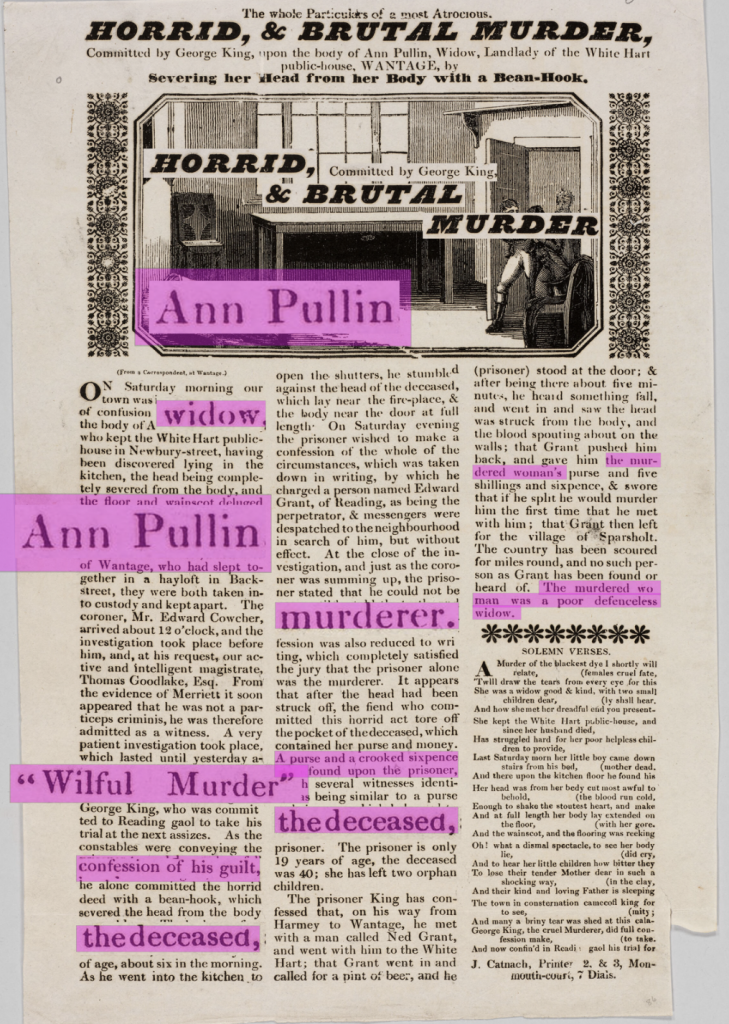
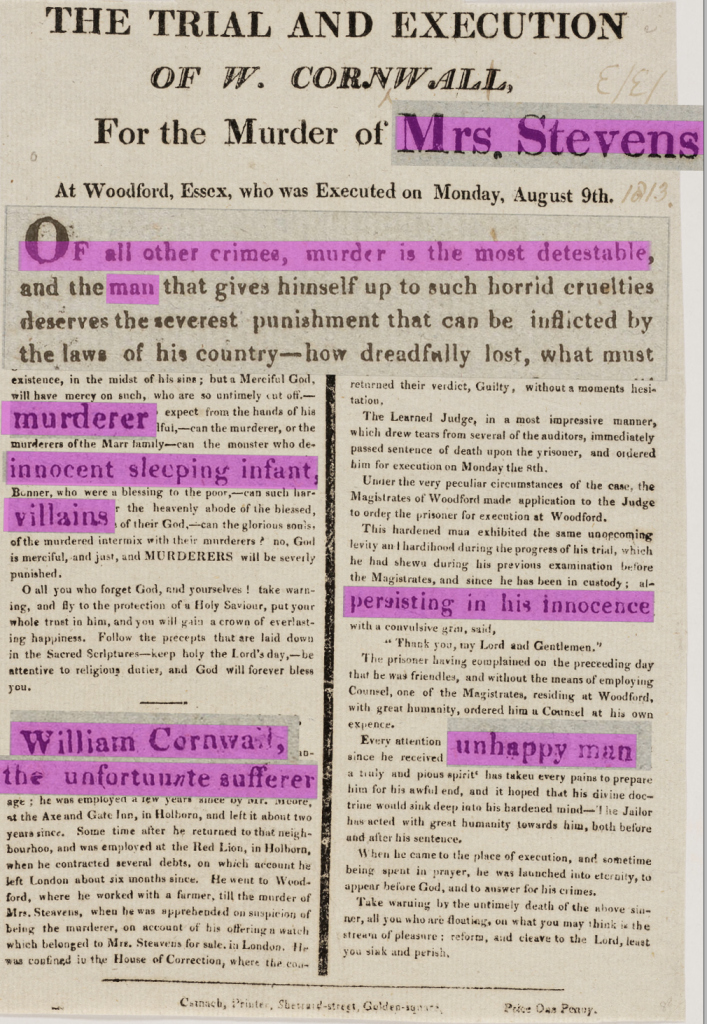
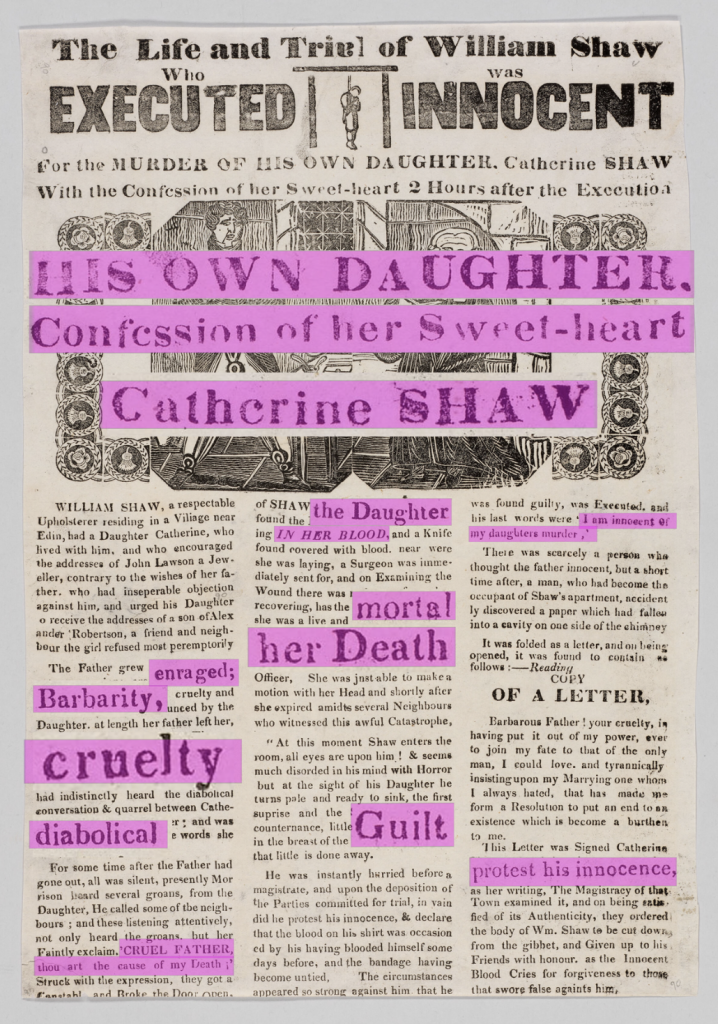
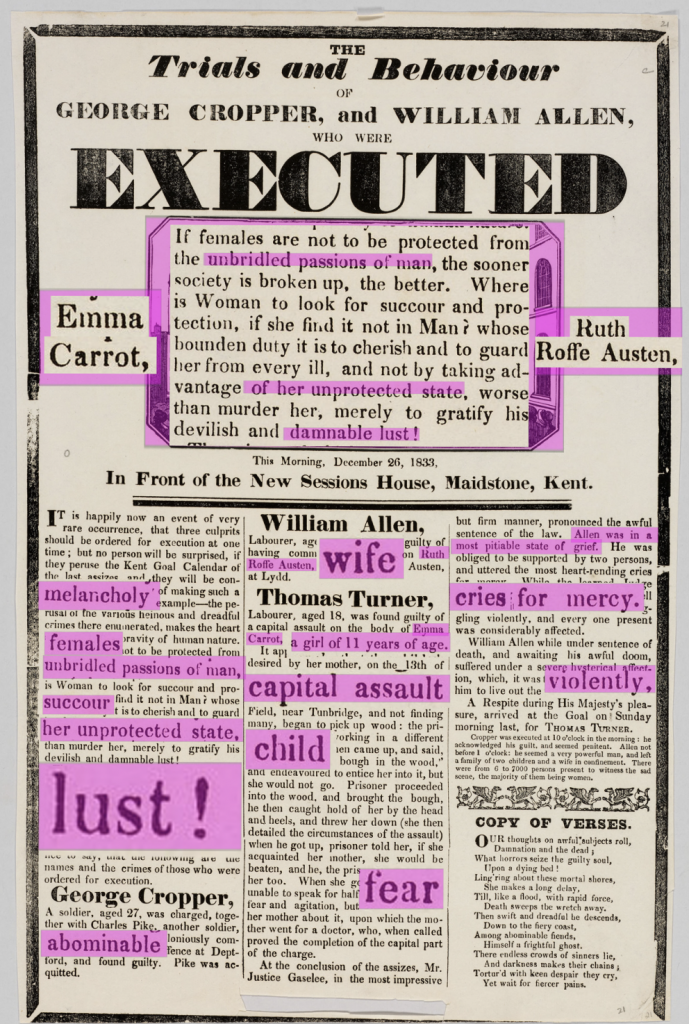
These broadsides now re-told the story differently, changing the narrative where women were often referred to as “someone’s wife” to a person with a name and agency. Pursuing this idea of dual existence between past and present, I thought it would be interesting to denounce the perpetuation of femicides in a publication which itself listed as a dialogue between past and present. I therefore decided to explore screen-printing techniques for the cover of the publication.
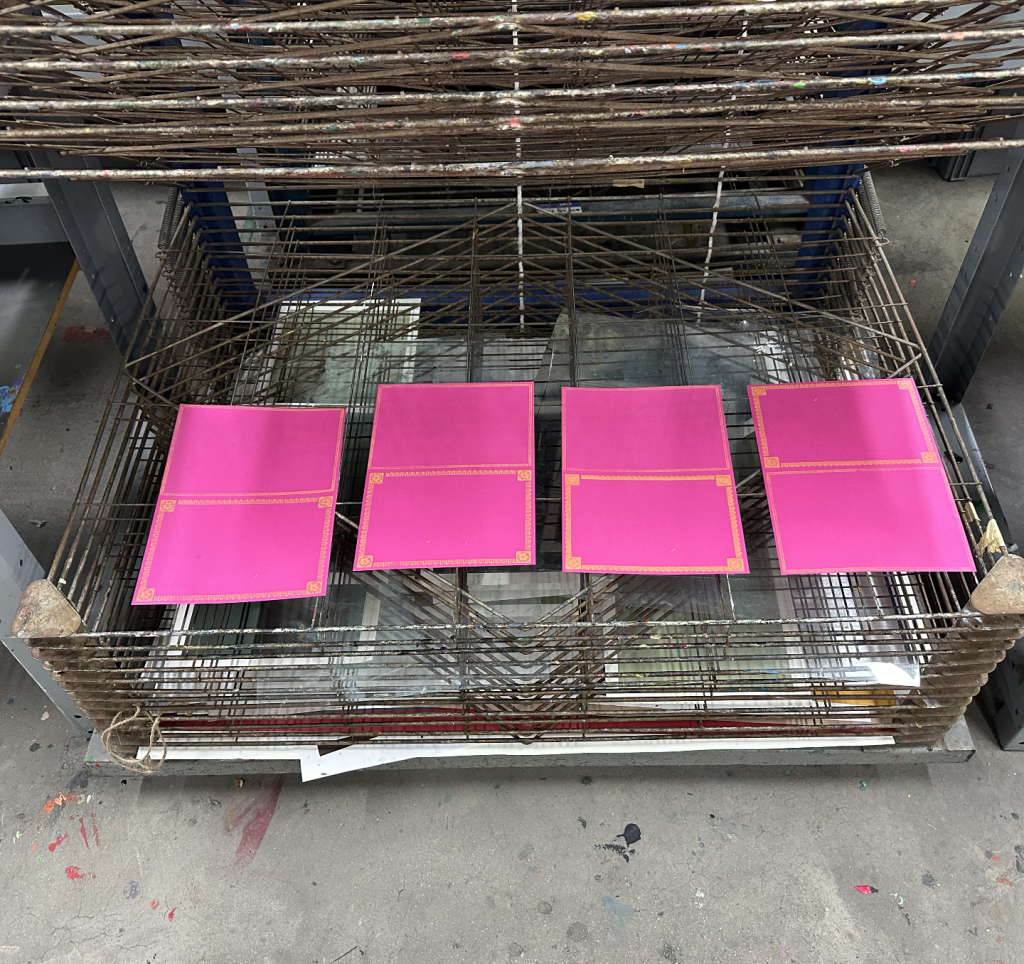
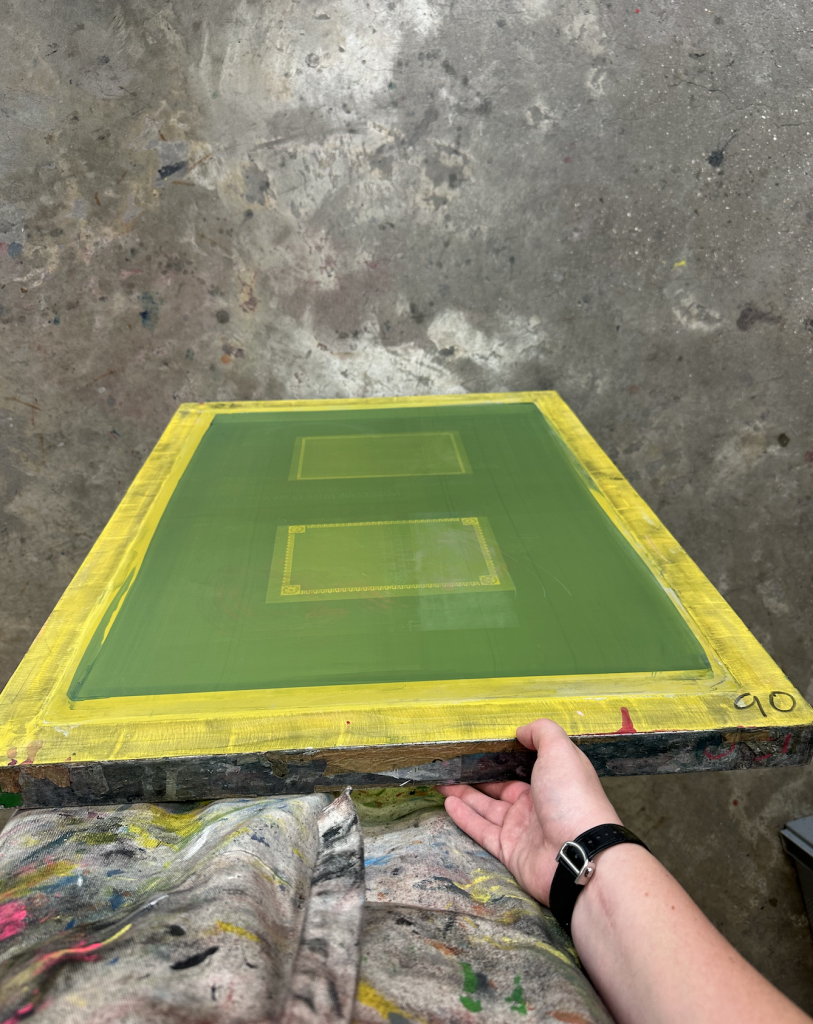
Putting it all together, I decided to create a small “flyer holder” publication, with detachable pages to extend this dialogue into public space by raising awareness around the persistence of femicide today.
Here’s what it looked like for the end of the week.
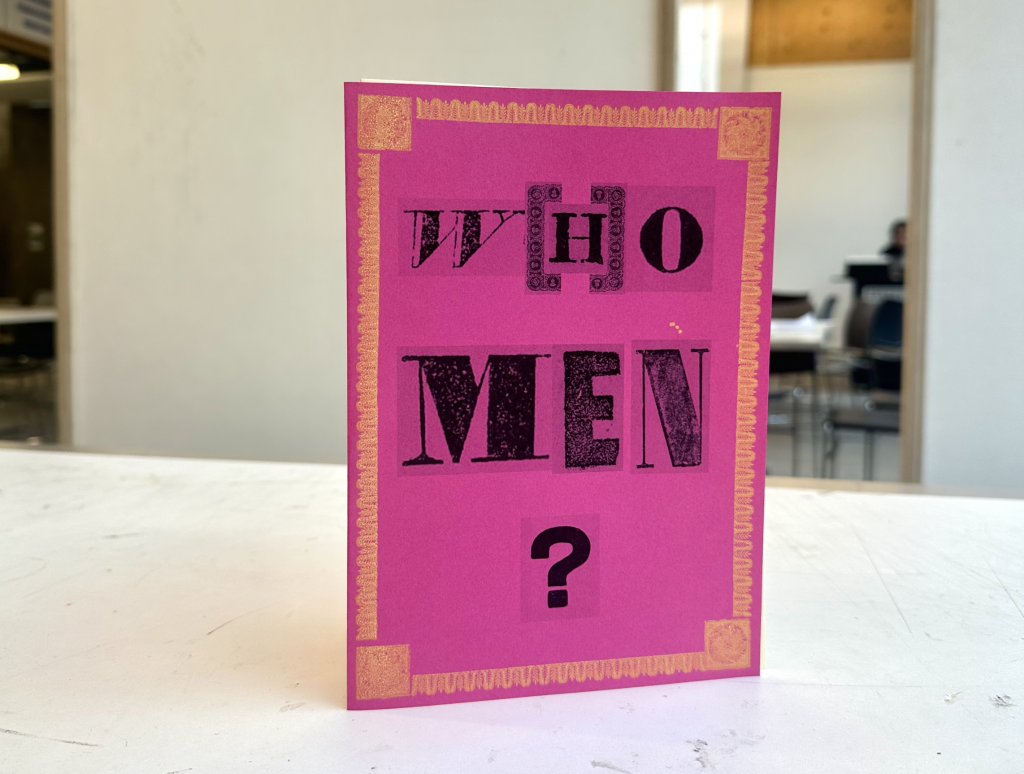
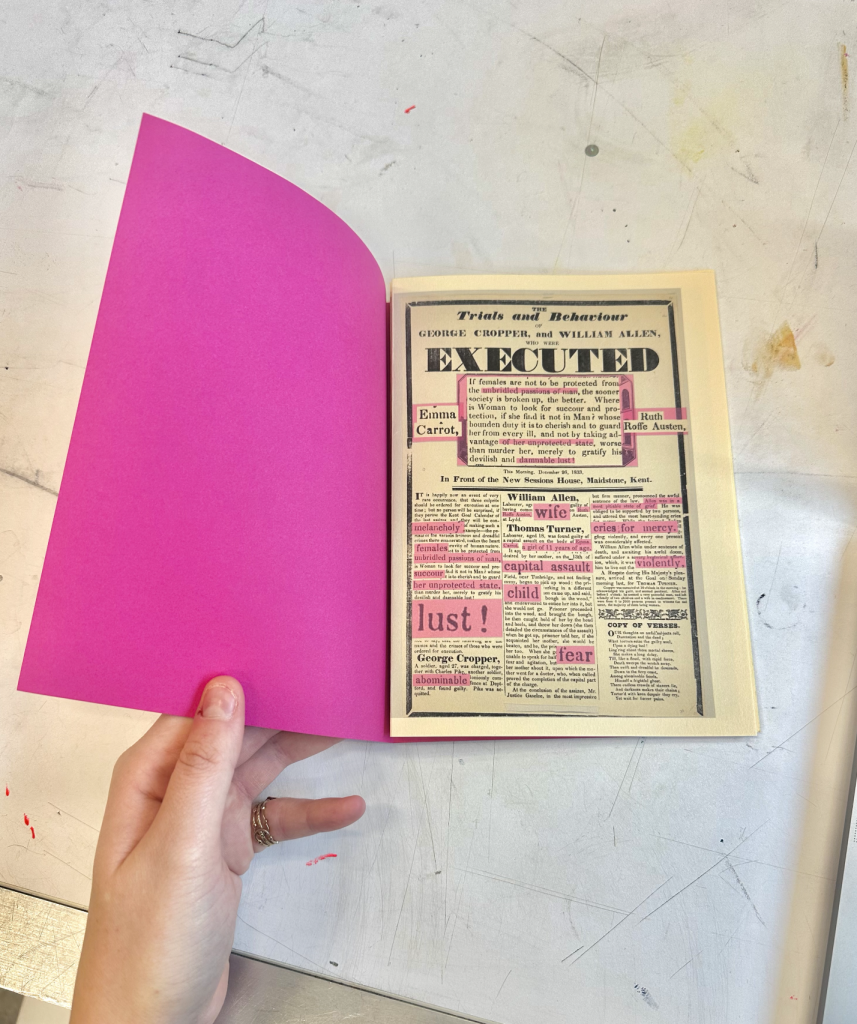
I intended to use letterpress in order to keep the aesthetic of the cover consistent, but due to time constraints, I ended up having to take letters from the initial broadsides in order to make the title “W(H)O MEN” and print them. In retrospect, this adaptation strengthened the concept of past and present, adding to the value of this little publication.
That’s it for week 2.
Leave a Reply